Opportunities for esophageal cancer screening
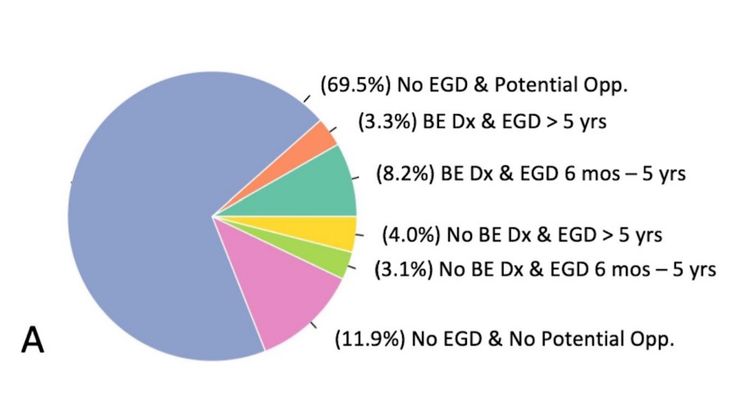
Using the VA Central Cancer Registry, the authors investigated opportunites to undergo screening for esophageal adenocarcinoma (EAC), finding more than
Indicators of prognosis among patients with esophageal adecnocarcinoma
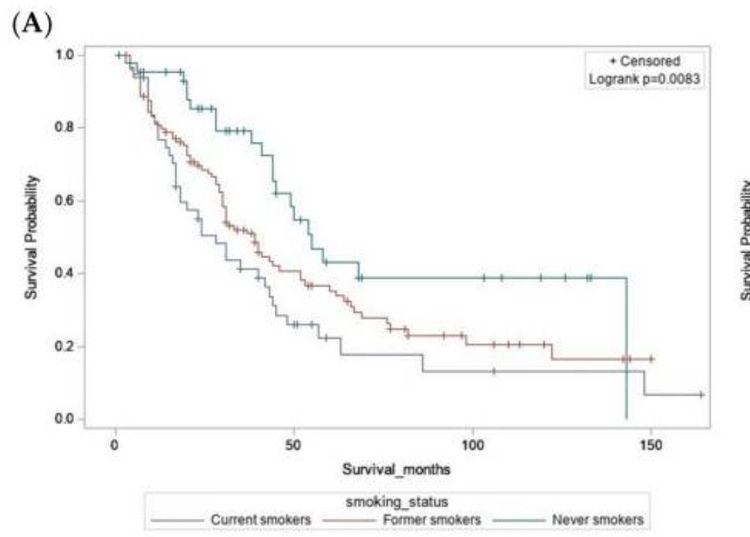
Dr. Matt Buas and colleagues analyzed clinical and lifestyle factors among 371 persons with esophageal adenocarcinoma. A number of factors
Best practice guidelines for reducing use of PPIs
Proton pump inhibitors (PPIs) are commonly used to treat reflux, a key risk factor for esophageal adenocarcinoma. However, they have
Prioritising BE surveillance using Cytsponge biomarker panel and clinical and epidemiologic risk factors
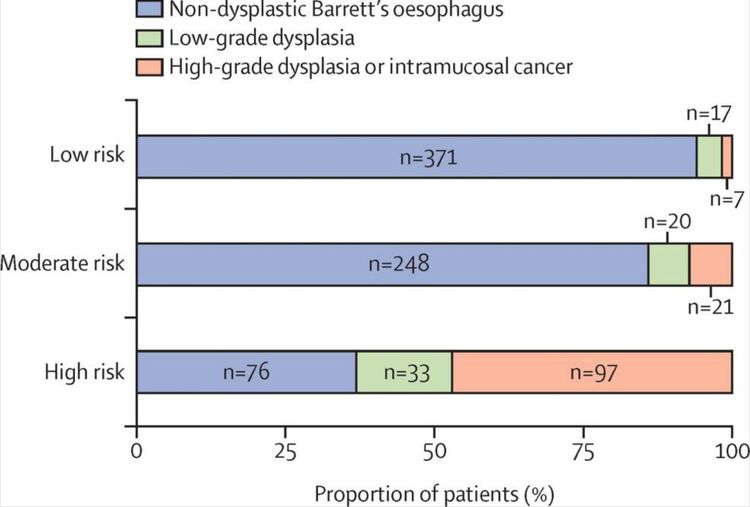
In addition to serving as a minimally invasive screening tool to help identify persons with Barrett's (BE), dysplasia
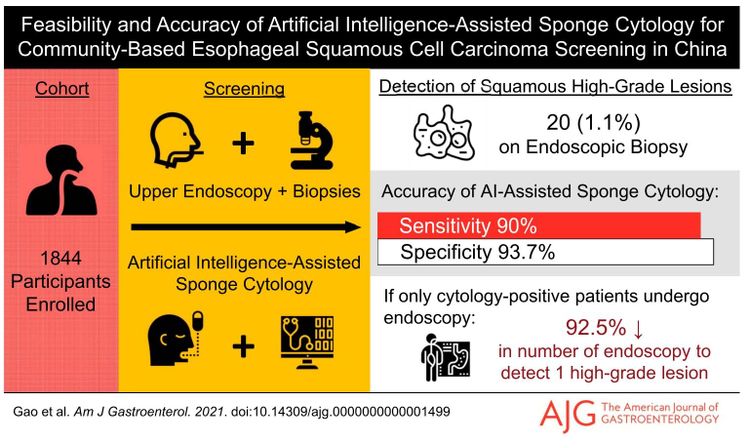
Non-invasive capsule sponge with AI cytology shows promise for screening high-risk areas of China
Results from a study from a high-risk area in China indicate that esopphageal cells captured non-invasively via a capsule sponge, when combined with a trained artificial intelligence (AI) system can substantially reduce the need for endoscopy with histopathology, with a sensitivity of 93.7%.
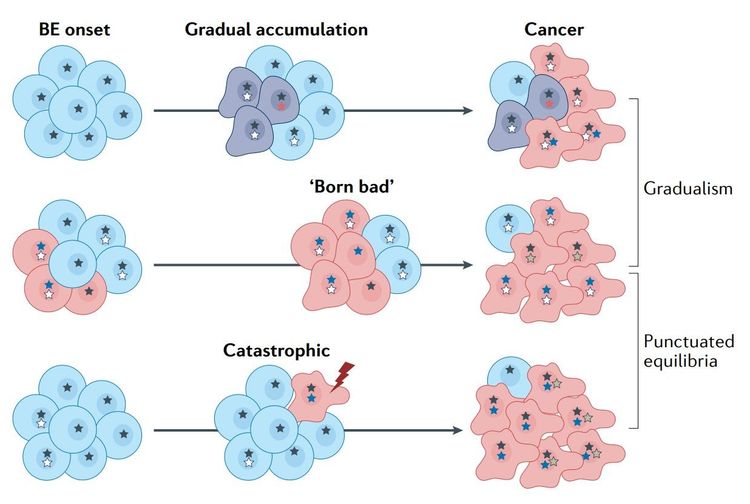
Evolution of esosphageal adenocarcinoma and implications for screening and surveillance
This nice review updates the molecular/genomic changes leading to esophageal adenocarcinoma and makes the link to more effective screening and treatment approaches.
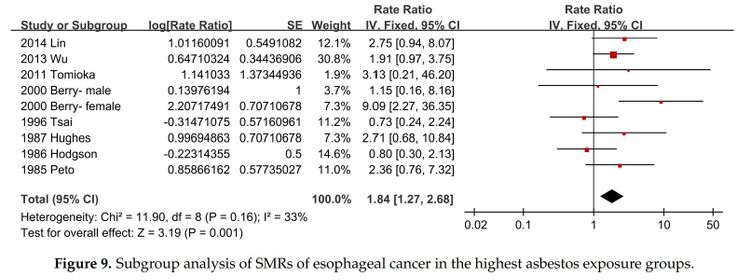
Asbestos exposure and increased risk of ESCC
A meta-analysis of 34 studies of occupational exposure to asbestos reveals a 28% increased risk of esophageal squamous cell carcinoma, which increased to 84% among those most highly exposed.
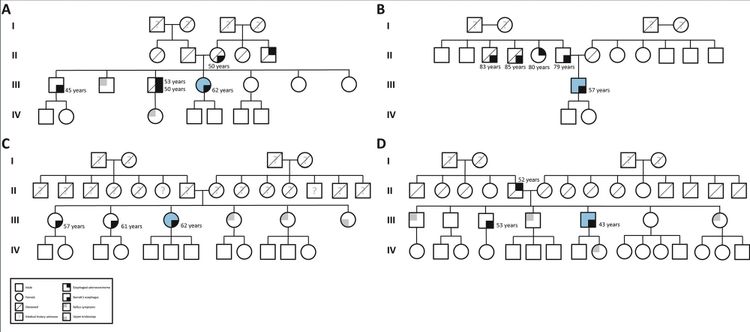
Importance of family history in Barrett's and esophageal adenocarcinoma
Family history of Barrett's and/or EAC was determined in 480 BE patients and 420 controls and validated using the Dutch nationwide histopathology database. A positive family history was found in 6.5% of BE patients, which is consistent with other studies, yielding a five-fold increased risk.
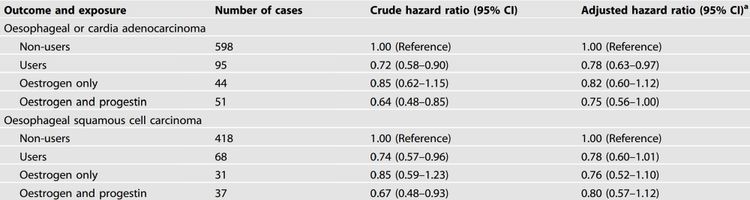
Hormone therapy and esophageal adenocarcinoma
Drs. Xie and colleagues observed a decreased risk of esophageal adenocarcinoma among women taking post-menopausal hormones in this population-based cohort study in Sweden with 693 EAC cases. This supports the concept that female sex hormones contribute to the lower incidence of EAC in women.
Review of epidemiology of esophageal cancer and Barrett's
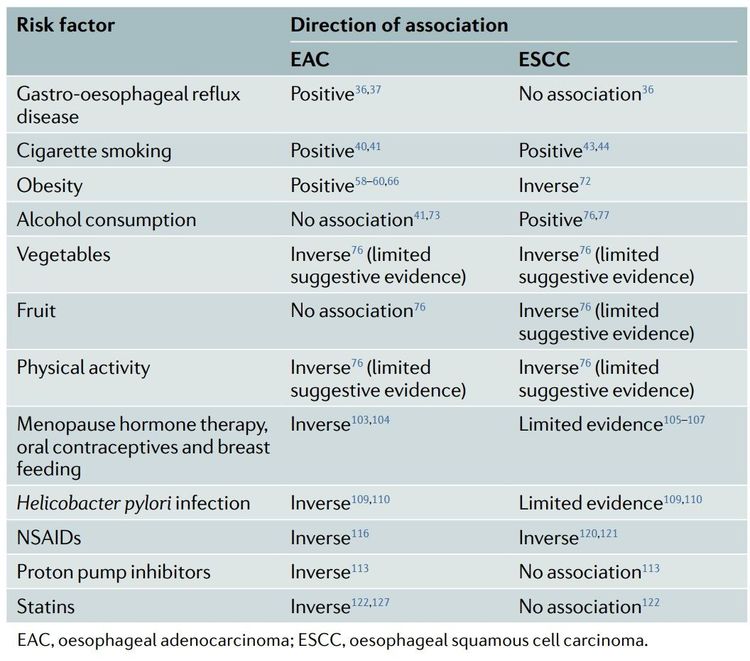
This Review by Dr. Thrift at Baylor updates the trends in the incidence of esophageal cancer (both histologic types) and summarizes current knowledge of its risk factors.